
Episode 20
Raising resilient kids in an anxious world
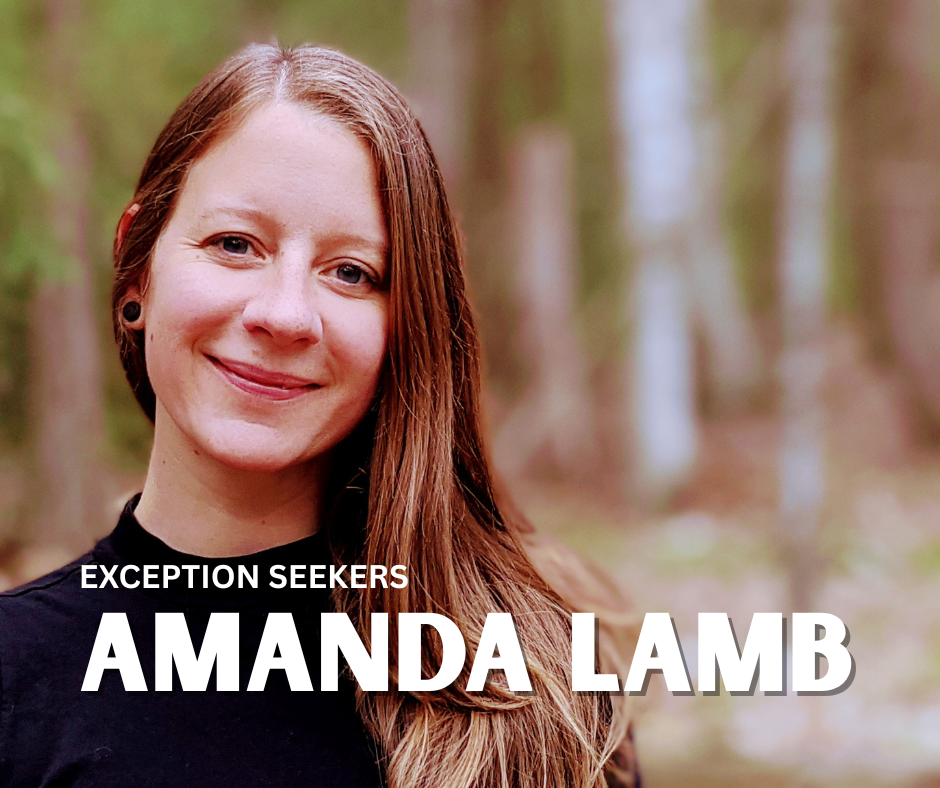
In this episode, Colleen is joined by Amanda Lamb (Pine River Institute) for a deep, thoughtful conversation about anxiety, emotional regulation, and resilience through a developmental lens.
Rather than treating anxiety as something to eliminate or “fix,” this conversation reframes anxiety as a capacity that develops over time, shaped by relationships, expectations, culture, and lived experience. Using clear developmental analogies, the discussion explores how children and adolescents learn to manage anxiety, and why so many young people (and adults) are struggling right now.
The episode also offers practical, compassionate guidance for parents, educators, and professionals supporting anxious youth, with a strong emphasis on attunement, co-regulation, and building distress tolerance instead of avoidance.
Important Messages
Considering anxiety on a developmental framework: Much like motor skills, anxiety regulation develops in stages; these stages are both sequential and flexible, and regression under stress is normal. Many young people haven’t “failed” to regulate anxiety, they may simply not have learned the skill yet.
Early development begins with adults and transitional objects: Infants rely entirely on caregivers to regulate distress, while toddlers begin managing anxiety with external supports like stuffies, blankets, and soothers.
School-age children and adolescence begin to self-regulate: School introduces opportunities to build distress tolerance and social regulation without caregivers or transitional objects. Increased screen time and reduced in-person interaction interfere with this process, and many adolescents lack consistent co-regulating relationships outside their families.
Supporting anxious teens: We need to rethink age-based expectations (age is “just a number;” support should be based on developmental capacity, not chronological age). We need to see a young person accurately, not through grades, age, or expectations.
We can build capacity through responsibility: Chores are a powerful, evidence-based tool for building resilience that introduce manageable, tolerable discomfort; repetition builds confidence and distress tolerance.
Resources Mentioned
Pine River Institute: Master Classes (free online educational webinars)
learn more about Pine River Institute
Amanda Lamb (she/her)
Amanda began her career at Pine River in 2010 and brought with her a strong passion for working with youth and their families to support positive communication and relationships. Through her time at Pine River, she has worked with countless families that struggle with mental health and addictions, first as a Youth Counsellor and then as our Aftercare Coordinator. In 2018 Amanda returned to school and has since completed her training as a Relational Psychotherapist.
As the Director of the Center for Family Initiatives, Amanda brings a deep commitment to the wellbeing of youth and their families through empathy, acceptance and compassion. She is experienced in working with families who find themselves in crisis as well as with those that are just starting to explore the field of mental health. Amanda hopes that by educating and supporting families early on, they can foster greater resilience and sustain their mental wellness through difficult life transitions and the challenges we all face. Amanda lives in Peterborough with her two young children.

Exception Seekers is edited and produced by North Star Networks